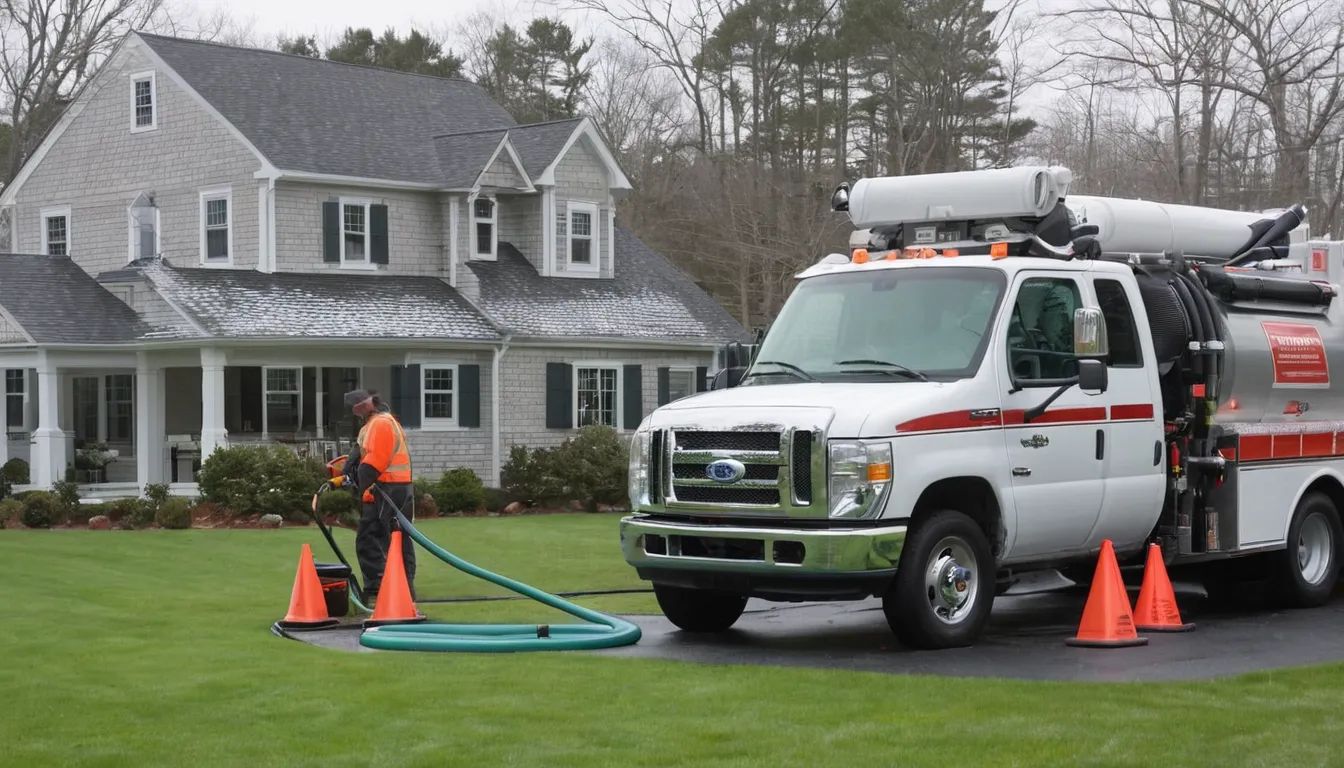
If your drains gurgle, your yard smells, or your tank has not been pumped in years, it may be time for septic tank pumping. A local provider removes the waste, checks the tank, and tells you what they see. They can also suggest how often to schedule the next visit.
Somewhereeast Septic is a referral service. Referral, not repair. We do not own trucks or pump tanks. We connect homeowners in Camden and the Camden area with independent providers in our network. The provider you speak with sets the price, the schedule, and the work. You can compare estimates, ask questions, and then decide, with no obligation. Costs vary by tank size, access, and location, so always ask for a written quote.
Tank Full or Overdue? Start Here
Slow drains, gurgling pipes, and sewage smells can point to a full tank. Wet, spongy ground over the tank or drainfield is another warning sign. Treat these signs seriously, but stay calm. A safe first step protects your family while you line up a provider.
Do This First
- Do cut back on water use. Skip laundry, long showers, and the dishwasher.
- Do keep children and pets away from soggy or foul-smelling ground.
- Do note when the tank was last pumped, if you know.
- Do call a provider if sewage is backing up inside.
Do Not Do This
- Do not open the tank lid yourself. Tank gases can harm you quickly.
- Do not climb into a tank or pit for any reason.
- Do not pour chemical drain openers or "septic boosters" in to fix the problem.
- Do not drive or park over the tank or drainfield.
Emergency Septic Cleaning vs. Routine Pumping
Routine pumping is planned. You pick a time, and the tank is emptied before trouble starts. Emergency septic cleaning is different. Sewage is already backing up or surfacing. Many providers can respond quickly to urgent calls, but availability varies, so ask what is open to you.
Why Regular Pumping Matters
Solids settle in the tank over time. If they build up, they can slip into the drainfield and clog it. Drainfield repair costs far more than pumping. Regular pumping is a modest expense next to major repairs, and it protects the whole system. It also keeps odors and backups away.
How Often Should You Pump?
Many households pump every three to five years. The right timing depends on tank size, how many people live in the home, and how much water you use. A garbage disposal adds solids. A larger family fills a tank faster. A provider can suggest a schedule after checking your tank.
What Happens During a Pumping Visit
The provider locates the tank and opens the lids. A truck hose removes the liquid and sludge. Then the provider looks at the inside of the tank, the baffles, and the water level. Ask them to point out any cracks, root intrusion, or worn parts. Good providers explain what they see in plain words.
Winter and Spring Concerns
Cold snowy winters and freeze-thaw cycles can make lids hard to find and ground hard to dig. Spring snowmelt can saturate a drainfield and make a weak system struggle. If your tank is due, booking before deep winter or before the thaw can save stress. Mark your lids in the fall.
Pumping and Inspections
Pumping gives a clear look inside the tank. Some providers also offer a basic inspection at the same visit. A full inspection may add flow tests or camera work. Ask what is included before you agree, so you know what you are paying for.
Buying or Selling a Home
Lenders and buyers often ask for a septic inspection. Pumping first lets the inspector see the tank walls and parts. Older homes with stone or block foundations may have older tanks too. Keep your pumping receipts. They show a buyer that the system was cared for.
A Note on Well Water
If your home also has a private well, a failing septic system can raise safety questions. Some providers also handle water well service, or can point you to someone who does. If you suspect contamination, avoid drinking the water until it is tested.
Caring for Your System Between Pumpings
- Spread laundry loads across the week.
- Fix dripping faucets and running toilets.
- Flush only toilet paper and waste.
- Keep grease, wipes, and paint out of drains.
- Plant grass, not trees, over the drainfield.
Compare, Then Decide
Get more than one estimate when you can. Ask for the price in writing. Check what the price covers, such as tank size, disposal fees, and lid access. A lower number is not always the better deal if it leaves things out.
Questions to Ask the Provider
- Are you licensed and insured in my state?
- How is the price set, and what could change it?
- Will you inspect the baffles and tank walls?
- Can you dig out buried lids, and what does that cost?
- Will you give me a written report?
How Calls Are Routed
When you call, you reach a provider in our network, not a repair crew from Somewhereeast Septic. Call hours vary by provider. If one cannot help, you can request an estimate through the form instead.
What's Included
Tank Pumping
A local provider empties the tank of liquid and sludge so solids do not reach your drainfield.
Tank Check
Many visits include a look at lids, baffles, and tank walls, with notes on what you see.
Emergency Septic Cleaning
If sewage is backing up or surfacing, ask providers in our network about urgent availability.
Written Quote
You can ask for the price in writing before work starts, so you can compare options.
Typical Pumping Costs in the U.S.
Prices vary by tank size, access, and location. These are typical U.S. ranges only. Always ask the provider for a written quote that lists what is included before you agree.
| Item | Typical range | Notes |
|---|---|---|
| Routine tank pumping | $300 – $700 | Depends on tank size and distance |
| Large tank (1,500+ gallons) | $500 – $1,000 | More volume costs more |
| Digging out buried lids | $100 – $400 | Needed if lids are under soil |
| Riser and lid install | $300 – $900 | Makes future pumping easier |
| Emergency septic cleaning | $500 – $1,200 | Urgent calls may cost more |
| Pumping plus basic inspection | $400 – $900 | Scope of inspection varies |
How It Works
Check Safety First
Cut back on water use, keep people and pets away from wet ground, and never open the tank lid.
Call or Request
Request a callback to check provider availability, or use the form.
Talk With a Provider
Describe your symptoms and tank details. Ask what the quote covers and what could change it.
Compare and Decide
Weigh the estimates you receive. Choose the provider who fits, or decline with no obligation.
Why Call Somewhereeast Septic
Clear Honesty
We tell you plainly that we only make the connection. The provider does the work and sets the price.
Safety First
Our advice starts with what to do and what to avoid, so you stay safe.
Compare Options
You can speak with providers and weigh estimates without pressure.
No Obligation
Requesting an estimate does not commit you to hire anyone.
Other Services
Need septic tank pumping services in Camden?
Request a callback to check provider availability, or send a few details and request an estimate. There is no obligation to hire anyone.
No obligationSeptic Tank Pumping Services FAQ
How often should a septic tank be pumped?
Many homes pump every three to five years. Tank size, household size, and water use all change the timing, so ask a local provider to suggest a schedule after checking your tank.
What happens if I never pump my septic tank?
Solids build up and can flow into the drainfield, where they clog the soil. That can cause backups, odors, and costly drainfield repair. Regular pumping helps prevent this.
Is it safe to open my septic tank lid?
No. Tank gases can be dangerous, and open lids are a fall risk. Leave lids closed and let a trained provider handle them.
Tell us what happened
Request a callback to check provider availability, or send a few details and request an estimate. There is no obligation to hire anyone.
No obligation