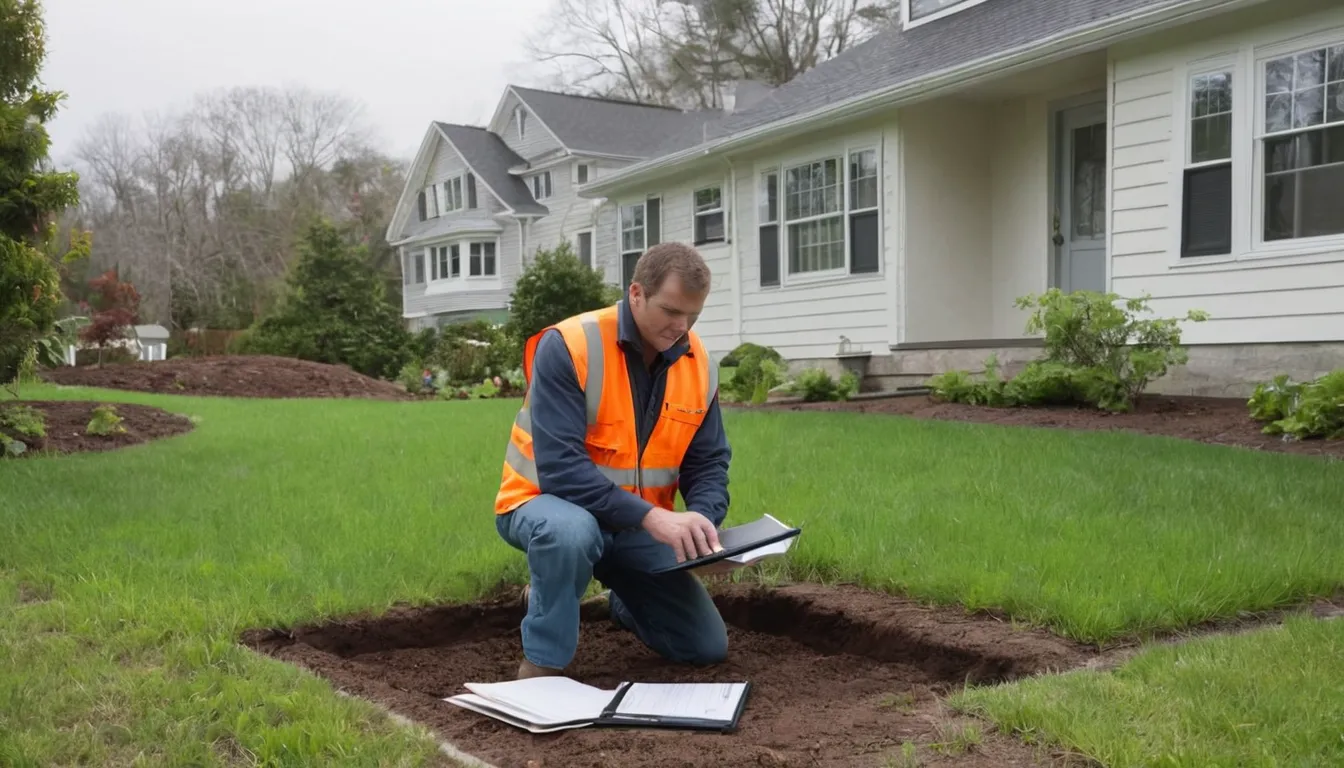
Septic System Repair Services in Camden
Septic trouble can show up as slow drains, wet grass, a sour smell or sewage backing up in the house. Some problems are small, like a broken baffle. Others involve the tank, the pipes or the drainfield. A trained provider needs to look before anyone guesses.
Somewhereeast Septic is a referral service. Referral, not repair. We do not send trucks or dig up yards. We connect homeowners in the Camden area with independent local providers who inspect, explain the options and give a written quote. You compare estimates and decide with no obligation.
First: Is This a Safe Situation?
Sewage in the house is a health risk. Sewer gas can also build up in closed spaces. Take strong odors, gurgling pipes and wet floors seriously.
You do not need to panic. You do need to stop making it worse.
Do This First
- Open windows and keep children and pets away from wet areas.
- Cut back on water. Skip laundry, long showers and the dishwasher.
- Turn off power to any wet area if you can reach the panel safely.
- Write down what you see and when it started. Take photos.
Request a callback to check provider availability and describe what is happening.
Do Not Do This
- Do not open the tank lid and lean over it. Gas inside can be dangerous.
- Do not pour in chemical drain cleaners or "septic fixers."
- Do not drive or park on the drainfield.
- Do not keep running water and hope the problem clears.
Warning Signs Worth Acting On
Some signs are loud. Others are quiet and easy to miss.
- Toilets and drains that run slow, especially several at once
- Gurgling after a flush
- Sewage smell indoors or near the tank
- Soggy, bright green or sunken ground in the yard
- An alarm on a pump or effluent system
Sewage backing up is the most urgent. A smell outside is next. A slow drain can wait a little, but not for weeks.
What Usually Goes Wrong
Most repairs come down to a handful of causes. A provider finds which one you have.
Broken Baffles and Tees
These parts keep solids from leaving the tank. When one breaks, solids can travel to the drainfield and clog it.
Cracked or Leaking Tanks
Older concrete and steel tanks can crack or rust. Older homes with stone and block foundations may have tanks that have aged a long time.
Pump and Alarm Trouble
Systems that rely on a pump can fail when a float sticks or a motor wears out. The alarm is a warning, so do not silence it and ignore it.
Clogged Pipes and Roots
Roots find joints in the pipe between house and tank. Grease and wipes can also block the line.
Drainfield Repair and Replacement
The drainfield is where treated water soaks into the soil. When it stops absorbing, water pools or backs up. Drainfield repair may mean fixing a crushed pipe, improving the distribution box, or resting a section of the field. Sometimes part or all of the field must be rebuilt.
A full replacement costs more and needs a permit in most places. Ask the provider why repair will or will not work.
Why Local Weather Matters
Cold winters, frost and spring snowmelt put stress on buried pipes and tanks. Wet soil after coastal storms can keep a drainfield from draining. A system that seemed fine in summer may show trouble in March.
Does a Water Well Change Things?
If your home uses a private well, tell the provider. Distance between the well and the septic system matters, and some repairs call for water well service or testing. Do not drink well water you suspect is affected until it is tested.
How a Repair Visit Works
A provider usually starts with questions, then inspects the tank, pipes and field. Pumping may come first so the tank can be checked. For a backup that needs emergency septic cleaning, ask whether the provider offers it.
You should receive a written quote that names the work, the parts and any permit.
Repair or Replace?
Repair often makes sense when the problem is a single part, like a baffle, a pump or a short stretch of pipe. Replacement is more likely when the tank is cracked through or the field has failed across most of its area.
Ask the provider what happens if you only repair. A clear answer is a good sign.
Compare, Then Decide
Get more than one estimate when you can. Lay them side by side. Look at the scope of work, not just the price. A short quote with few details is hard to compare.
No one should push you to sign on the spot.
Keeping the System Healthy Afterward
- Do pump the tank on a regular schedule.
- Do spread out laundry loads.
- Do keep records of repairs and inspections.
- Do not flush wipes, grease or paint.
- Do not plant trees over the field.
Questions to Ask the Provider
- What caused the problem, and can you show me?
- What are the repair and replacement options?
- Is a permit needed, and who handles it?
- What is included in the written quote?
- How soon can the work start?
Some policies may cover sudden damage, so check your policy. Providers can often help document damage for a claim.
What's Included
Inspection
A provider looks at the tank, pipes and drainfield to find the cause before suggesting any work.
Part Repairs
Baffles, pumps, risers and short pipe sections can often be fixed without a full rebuild.
Drainfield Repair Options
Providers may repair, rest or rebuild a failing field depending on soil and system age.
Written Quotes
Ask for scope, parts and permits in writing so you can compare estimates.
Typical Septic Repair Cost Ranges
These are typical U.S. ranges and they vary by job, soil, access and local permits. Treat them as a starting point and always ask for a written quote.
| Item | Typical range | Notes |
|---|---|---|
| Inspection and diagnosis | $200 – $600 | May include pumping to see inside the tank |
| Baffle or tee replacement | $300 – $1,000 | Depends on tank access |
| Pump or float replacement | $500 – $2,000 | Varies by system type |
| Pipe repair, house to tank | $1,500 – $5,000 | Digging and roots raise cost |
| Drainfield repair | $2,000 – $10,000 | Depends on how much is damaged |
| Full drainfield replacement | $10,000 – $30,000 | Permits and soil tests add cost |
How It Works
Share the Problem
Request a callback or send the request form and describe the signs you see at home.
Get Connected
Your request is routed to an independent provider in your area.
Review the Quote
Ask for a written quote that lists the work, parts and permits.
Compare and Decide
Weigh your options at your own pace, with no obligation to hire.
Why Call Somewhereeast Septic
Honest Referral Model
We connect you with independent providers. They do the work, not us.
Clear Guidance
Plain do and do-not advice helps you stay safe while you wait for a provider.
Compare Options
Review more than one estimate and decide at your pace.
No Obligation
Requesting an estimate does not commit you to hire anyone.
Other Services
Need septic system repair services in Camden?
Request a callback to check provider availability, or send a few details and request an estimate. There is no obligation to hire anyone.
No obligationSeptic System Repair Services FAQ
What are the signs my septic system needs repair?
Common signs include slow drains, gurgling pipes, sewage smells, soggy ground over the tank or field, and sewage backing up indoors. If you notice several at once, have a provider inspect the system soon.
How much does septic system repair cost?
Small fixes like a baffle can cost a few hundred dollars. Drainfield work can run into the thousands. Costs vary by job, so compare written quotes.
Will my homeowners insurance pay for septic repair?
Some policies may cover sudden damage, but wear and tear is often excluded. Check your policy, and ask the provider to help document the damage for a claim.
Tell us what happened
Request a callback to check provider availability, or send a few details and request an estimate. There is no obligation to hire anyone.
No obligation